POZ - Treatment News : Dry Skin More Common in Positive People
Subscribe to:
POZ magazine E-newsletters
POZ Personals Sign In / Join
Username:
Password:

Back to home » Treatment News » September 2007

Web Exclusives

Vanquishing AIDS: Notes on Ending the Epidemic in America

Path to a Cure? The Risk and Promise of Gene Therapy

AIDS Advocates Debate Obama's Policies

» More

Most Talked About

Magic Johnson Accused of Faking HIV (42)

World AIDS Day: Your Feedback (22)

Guidelines Prediction: Start Treatment Earlier (blog) (19)

My First Facebook Demo (blog) (18)

Bone Marrow Transplant: Potential AIDS Cure? (9)

Obama Campaign Set to Boost Domestic HIV/AIDS Funding (8)

What's That Mean?
(just double-click it!)

NEW! If you don't understand one of the words in this article, just double-click it. A window will open with a definition from CancerWEB's On-line Medical Dictionary. If the double-click feature doesn't work in your browser, you can enter the word below:


Most Popular Lessons

The HIV Life Cycle

Herpes Simplex Virus

Human Papilloma Virus (HPV)

Shingles

Syphilis & Neurosyphilis

Treatments for Opportunistic Infections (OIs)

10 Years Ago In POZ


More Treatment News

Click here for more news

Have news about HIV? Send press releases, news tips and other announcements to news@poz.com.


emailrssprint

September 25, 2007

Dry Skin More Common in Positive People

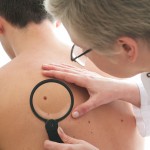
Dry skin is more common in people with HIV than in people who are HIV-negative, according to a new study published in the journal AIDS. The authors found that HIV-positive men were more than four times as likely to report dry skin than HIV-negative men, and HIV-positive women almost twice as likely to report dry skin than their HIV-negative counterparts.

Daniel Lee, MD, of the University of California, San Diego and his colleagues compared the results of surveys and skin examinations involving 1,026 HIV-positive and 274 HIV-negative people. Approximately 42 percent of the positive men complained of dry skin, compared with almost 10 percent of the HIV-negative men. HIV-positive women were also more likely to have dry skin (51.5 percent) than HIV-negative women (31.6 percent).

CD4 counts below 200, a lack of adequate food intake, and use of the protease inhibitor Crixivan (indinavir) were the factors linked to skin dryness in the men. In women, a low CD4 count was also associated with dry skin. Because the study was not designed to identify the cause(s) of dry skin in people with HIV, researchers could not make prevention or treatment recommendations.

emailrssprint


[Go to top]


Get Started
Get Answers
What to do if you've just been diagnosed
How to find a support system
Things you should know before starting treatment
How to handle side effects and other concerns
How to tell someone you have HIV/AIDS

Talk to Us
Weekly Poll
Question: Would legalizing prostitution reduce the spread of HIV?
Yes
No
I don't know.

Monthly Poll
Question: Do you believe that prisoners receive adequate health care?
Yes
No
I don't know.

Surveys
Tell us about your overall health habits.

Tell us when and to whom you disclose your status.

more surveys
[ about Smart + Strong | about POZ | POZ advisory board | partner links | advertise/contact us | site map]
© 2008 Smart + Strong. All Rights Reserved. Terms of use and Your privacy